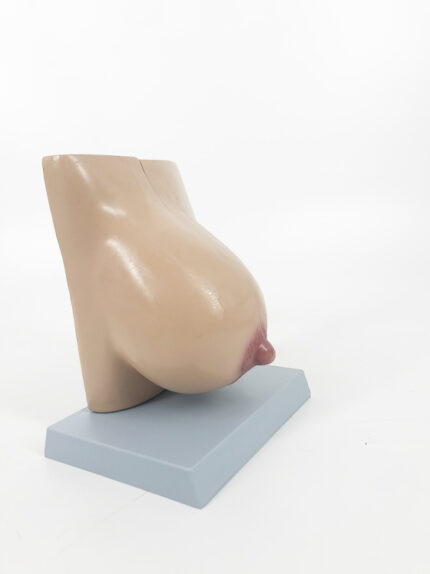


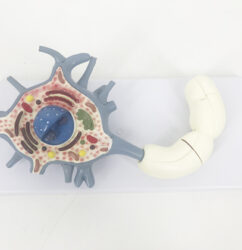
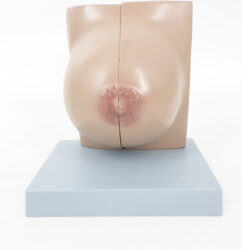
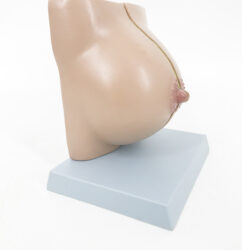
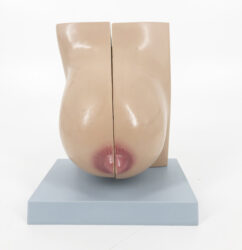
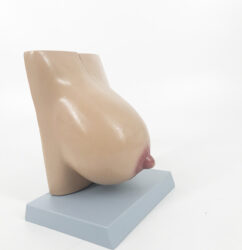
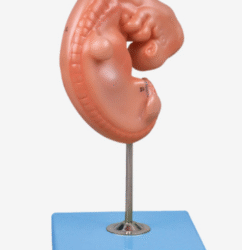




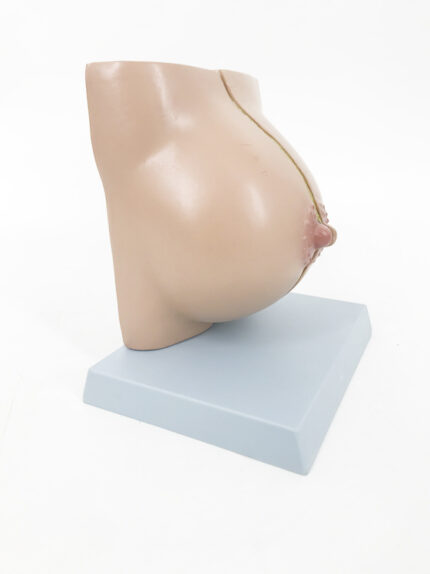
ATL-143 MAMMERY GLAND IN RESTING PERIODS
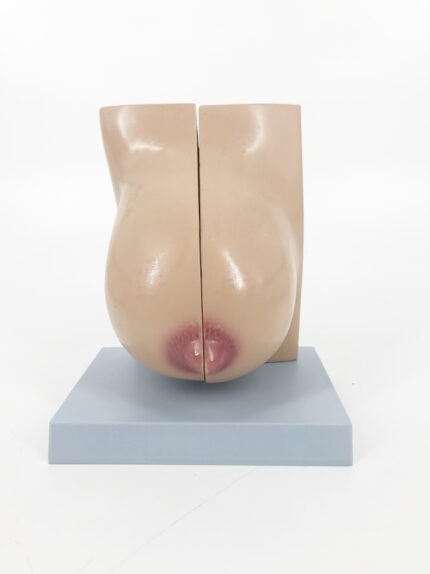
This anatomical model shows the internal and external structure of a female breast. This model is made of 2 parts that can be opened up.

Classification:

Pathological & Promotional Models

Urinary system (kidney, bladder, pelvic cavity, male and female genitals, etc.)
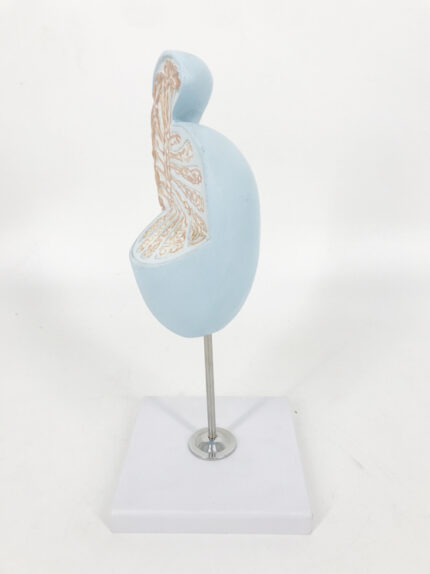
ATL-144 MAMMY GLAND IN LACATION

This model opens in half to display all internal structures of a female breast during lactation. It is able to stay closed by a metal hook, and is mounted on a secure white base for easy display and storage.

Classification:

Pathological & Promotional Models

Urinary system (kidney, bladder, pelvic cavity, male and female genitals, etc.)
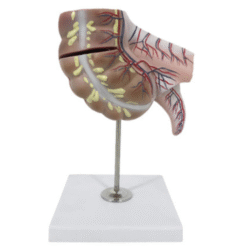
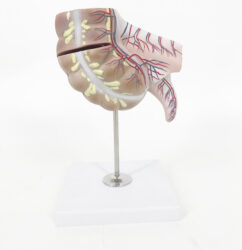
ATL-146 APPENDIX AND CAECUM SOFT

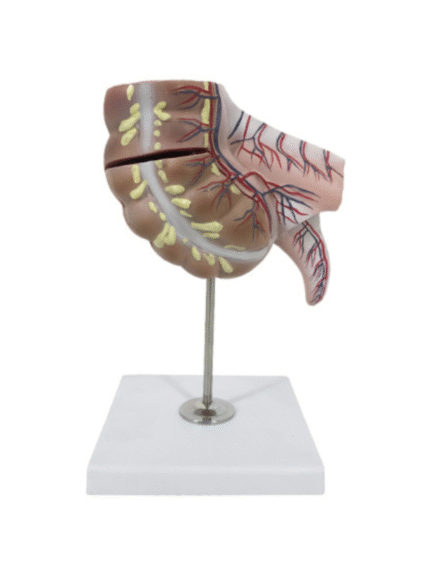
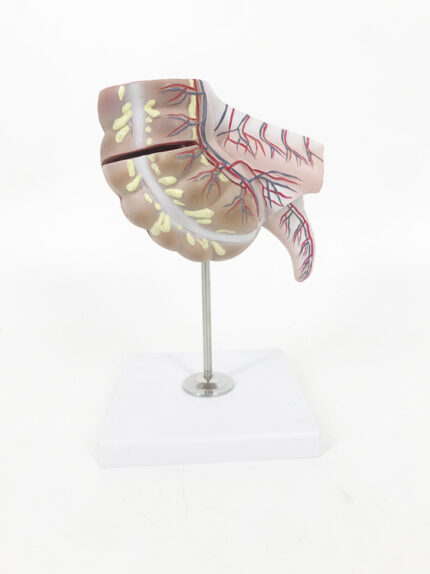
This anatomical model is painted in a natural color tone, with extensive detailing of the caecum, which is generally considered the beginning of the large intestine. Markings include walls of the intestine as well as veins and arteries which deliver blood flow to the large intestine. Below the caecum, the appendix extends from the model, demonstrating the location and attachment of the appendix to the large intestine. This anatomy model can be opened to explore greater, internal detail of the large intestine, with accurate depiction of the folds and texture of the internal anatomy of the intestine. The removable portion of the model is secured with magnets, allowing for a clean, uninterrupted view of the intestinal anatomy.

Classification:

Pathological & Promotional Models

Digestive System(oral cavity, stomach, liver, pancreas, intestine, etc.)
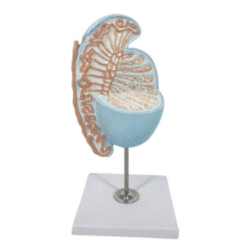
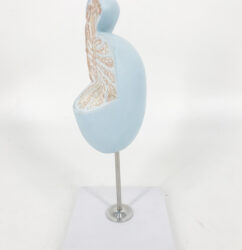
ATL-147 MAGNIFIED TESTICLE SOFT
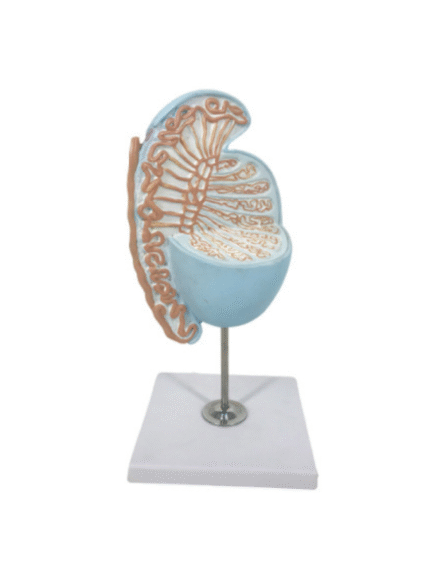
This model shows the medial and sagittal section of the human testis including epididymis, ductus deferens, seminiferous tubules and rete testis.

Classification:

Pathological & Promotional Models

Urinary system (kidney, bladder, pelvic cavity, male and female genitals, etc.)

ATL-156 ADVANCED ANATOMICAL MODEL OF HUMAN HEART SOFT

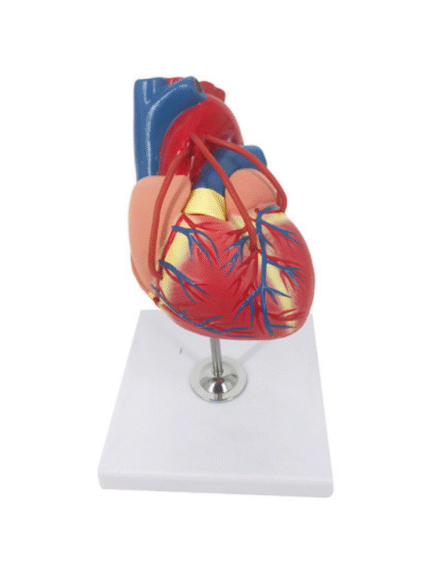
The front heart wall is detachable to reveal the chambers and valves inside. Heart just slightly smaller than life-size with exquisite anatomical detail throughout. Heart includes venal bypasses to the right coronary artery, to the ramus interventricularis anterior, and also to the ramus circumflexus of the left coronary artery, which are shown in color. This heart model is a great aid explaining the treatment of coronary heart disease.

Classification:

Pathological & Promotional Models

Blood Circulation System(heart, blood cells, blood vessels, etc.)
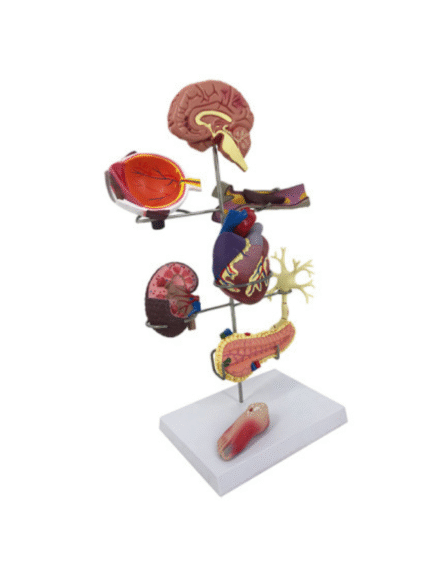
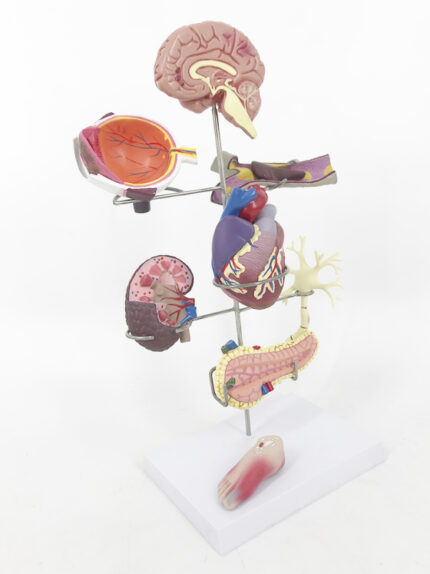
ATL-161 THE DEVELOPMENT MODEL OF HUMAN HEART (SET OF 12 )

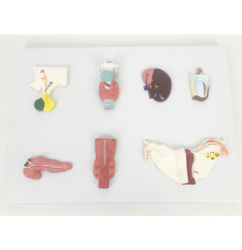
This fascinating model displays the effects of Type II Diabetes on the brain, eye, heart, kidney, artery, pancreas, neuron and foot, using miniature versions of GPI's full size models. Education card illustrates effects associated with Type II Diabetes: stroke, non-inflammatory disease of the retina, hypertensive heart disease, hardening of the kidney, hardening of the arteries, insulin resistance, neuropathy, and foot ulcerations. Great for educating patients about the dangers of diabetes.

Classification:

Pathological & Promotional Models

Blood Circulation System(heart, blood cells, blood vessels, etc.)
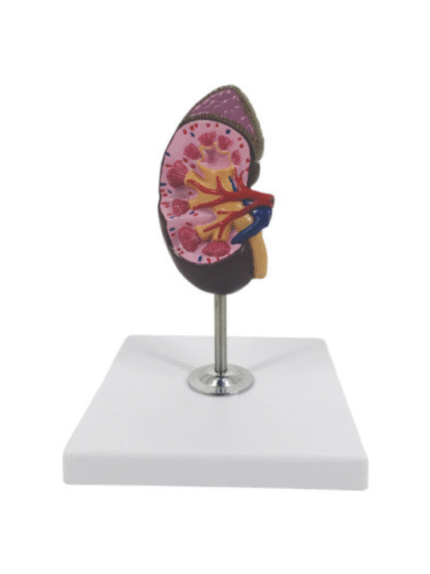
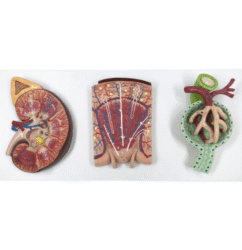
ATL-205 HUMAN KIDNEY 1 PARTS

This model of a human kidney in almost life size shows hand painted details of renal pelvis, renal medulla, renal calyx, renal cortex, renal artery and vein, ureter and adrenal gland.

Classification:

Pathological & Promotional Models

Urinary system (kidney, bladder, pelvic cavity, male and female genitals, etc.)
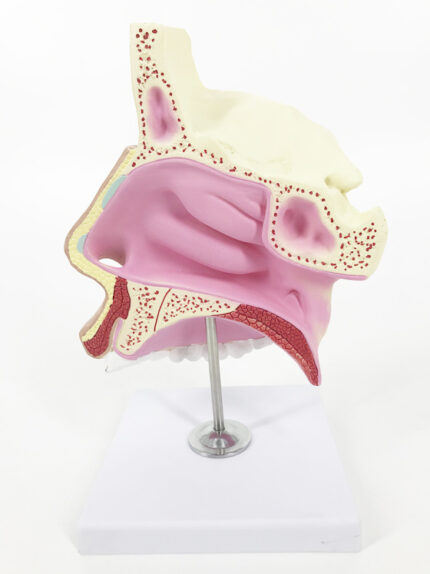
ATL-216 HUMAN NASAL CAVITY

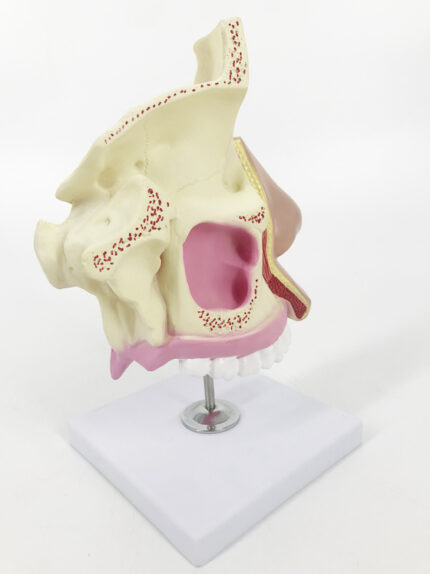
This life size model shows a section of the nasal cavity:1. External nose: showing the nasal bone and nasal cartilage ofthe cut.2. nasal cavity: the lateral wall of the upper, middle and lowerthree turbinate into the nasal cavity, the formation of the upper,middle and lower three nasal passages.3. nasal sinus: frontal sinus, sphenoid sinus and maxillary sinus.

Classification:

Pathological & Promotional Models

Respirotary System (nose, throat, lung, trachea, etc.)
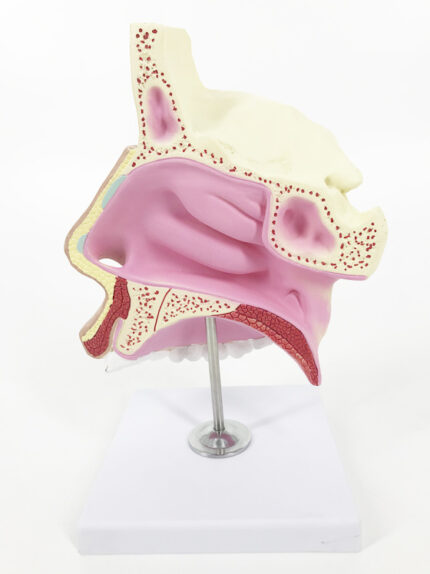
ATL-216 HUMAN NASAL CAVITY

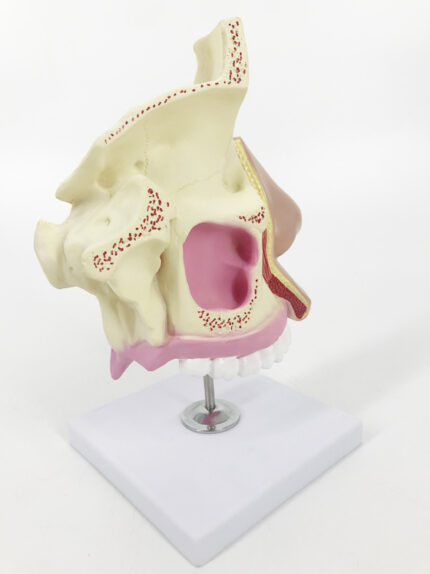
This life size model shows a section of the nasal cavity:1. External nose: showing the nasal bone and nasal cartilage ofthe cut.2. nasal cavity: the lateral wall of the upper, middle and lowerthree turbinate into the nasal cavity, the formation of the upper,middle and lower three nasal passages.3. nasal sinus: frontal sinus, sphenoid sinus and maxillary sinus.

Classification:

Pathological & Promotional Models

Respirotary System (nose, throat, lung, trachea, etc.)