







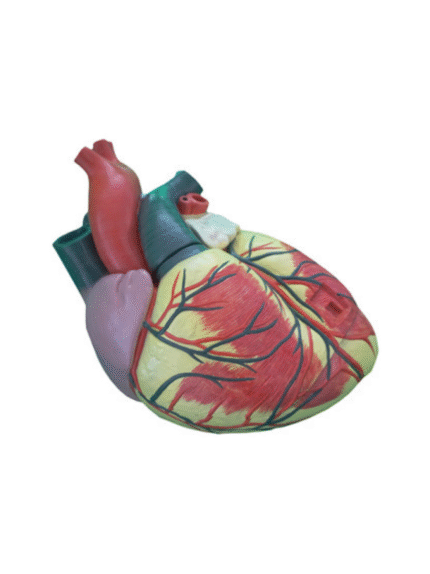

ATL-155 ANATOMICAL MODEL OF HUMAN HEART SOFT
The 3x enlarged heart model features a larger-than-life observational and physical view of the structures of the human heart and is the perfect tool for anatomy education, showcasing a detailed display of the internal structure with its ability to dissect into 3 parts.
Classification:
Blood Circulation System(heart, blood cells, blood vessels, etc.)
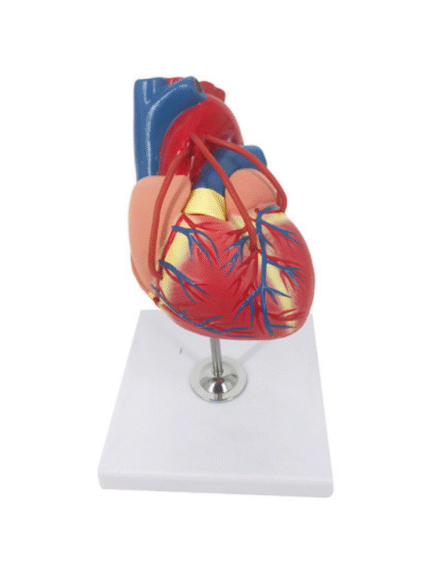

ATL-156 ADVANCED ANATOMICAL MODEL OF HUMAN HEART SOFT
The front heart wall is detachable to reveal the chambers and valves inside. Heart just slightly smaller than life-size with exquisite anatomical detail throughout. Heart includes venal bypasses to the right coronary artery, to the ramus interventricularis anterior, and also to the ramus circumflexus of the left coronary artery, which are shown in color. This heart model is a great aid explaining the treatment of coronary heart disease.
Classification:
Pathological & Promotional Models
Blood Circulation System(heart, blood cells, blood vessels, etc.)
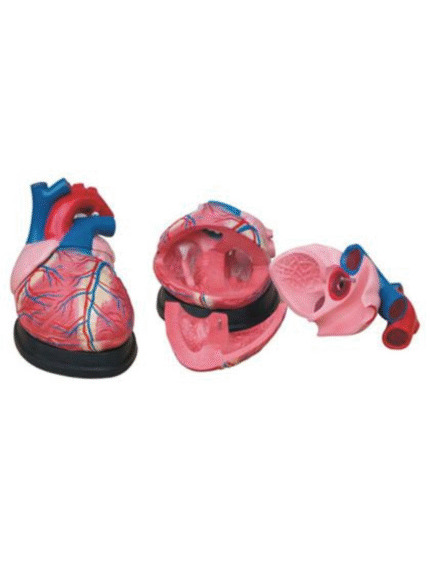
ATL-157 HUMAN HEART JUMBO SIZE
This model shows the external features and internal structures of the heart and its relation with the large blood vessels. A clearer conception of the routes of the systemic and pulmonary circulation can be obtained. Dissectible into 3 parts, 4 times enlarged. Made of PVC plastic.
Size: 25x23x23CM.
Packing: 8pcs/carton, 58x45x50cm, 16kgs
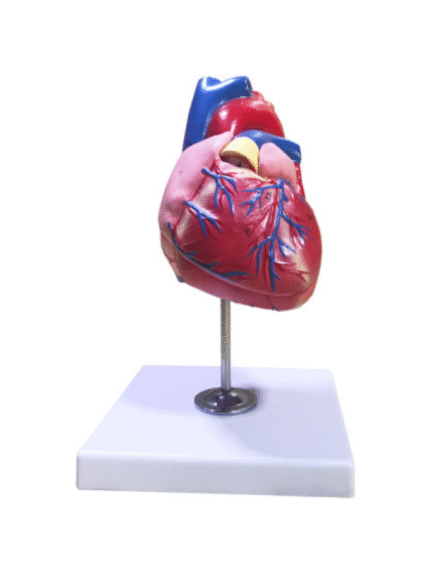
ATL-158 LIFE SIZE HUMAN HEART
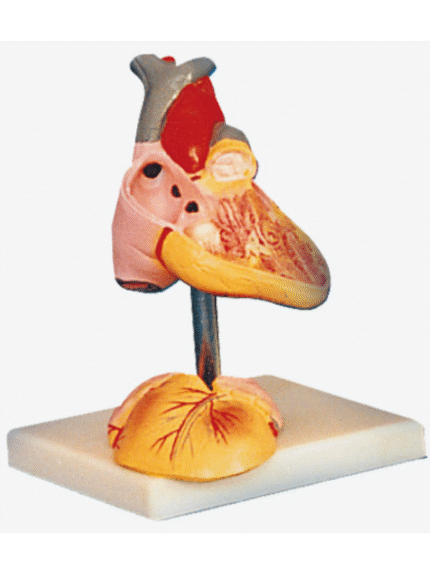
ATL-159 ADVANCED ANATOMICAL MODEL OF CHILD HEART SOFT


ATL-16 HUMAN TORSO MALE 85 CM WITH ORGANS 19 PARTS HARD ORGANS
This 26cm tall model with open back is composed of 14 parts andprovides an exceptionally realistic reproduction of anatomicalstructures in their finest detail. All of the body system arerepresented with fully accessibility.torso*1 brain*1 lung*4 trachea*1heart*1 liver*1 stomach*1 spleen*1diaphragm*1 intestine*1 vertebra*1
Classification:
Human Torso Models (human torso, fault, etc.)
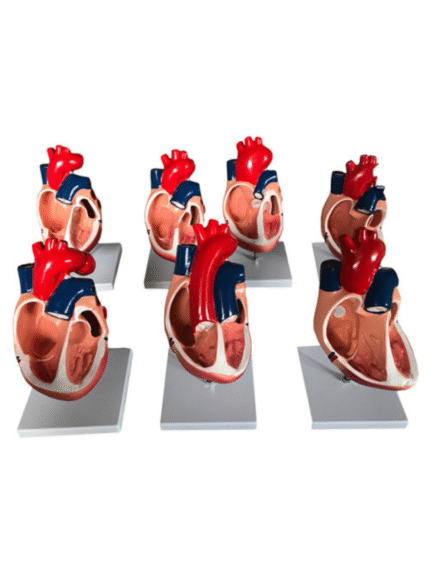

ATL-160 THE MODELS OF CONGENITAL HUMAN HEART DEFORMITY (SET OF 5)
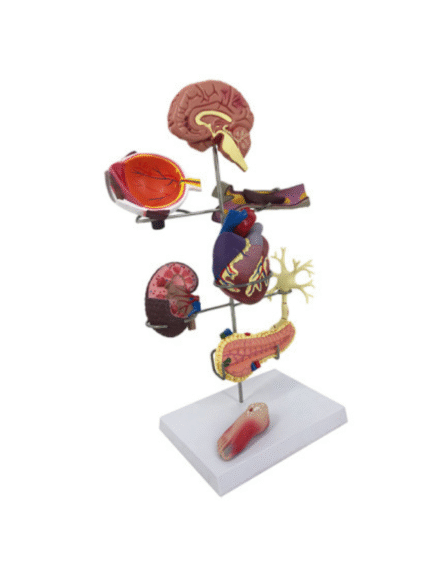
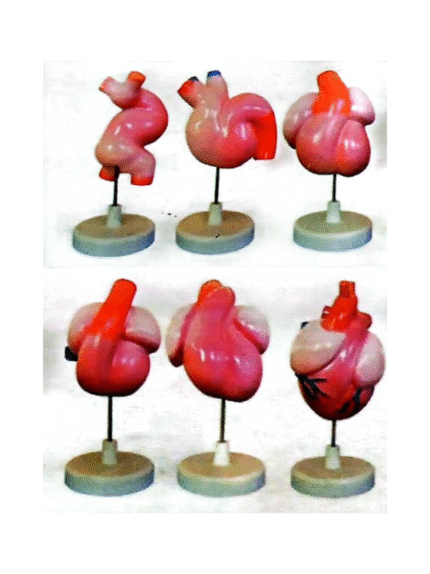
ATL-161 THE DEVELOPMENT MODEL OF HUMAN HEART (SET OF 12 )
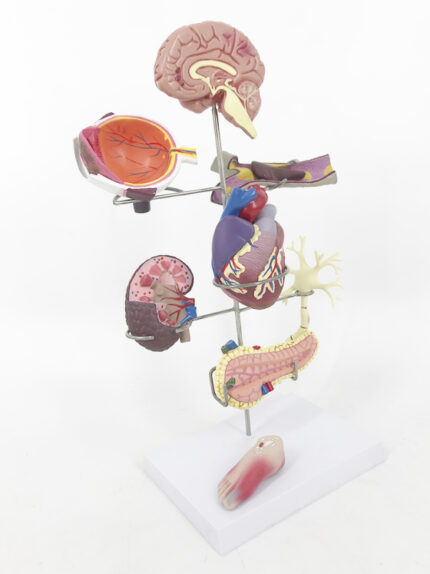
This fascinating model displays the effects of Type II Diabetes on the brain, eye, heart, kidney, artery, pancreas, neuron and foot, using miniature versions of GPI's full size models. Education card illustrates effects associated with Type II Diabetes: stroke, non-inflammatory disease of the retina, hypertensive heart disease, hardening of the kidney, hardening of the arteries, insulin resistance, neuropathy, and foot ulcerations. Great for educating patients about the dangers of diabetes.
Classification:
Pathological & Promotional Models
Blood Circulation System(heart, blood cells, blood vessels, etc.)